The totems / Raitenhaslach
BeeTotem · Raitenhaslach, Bavaria
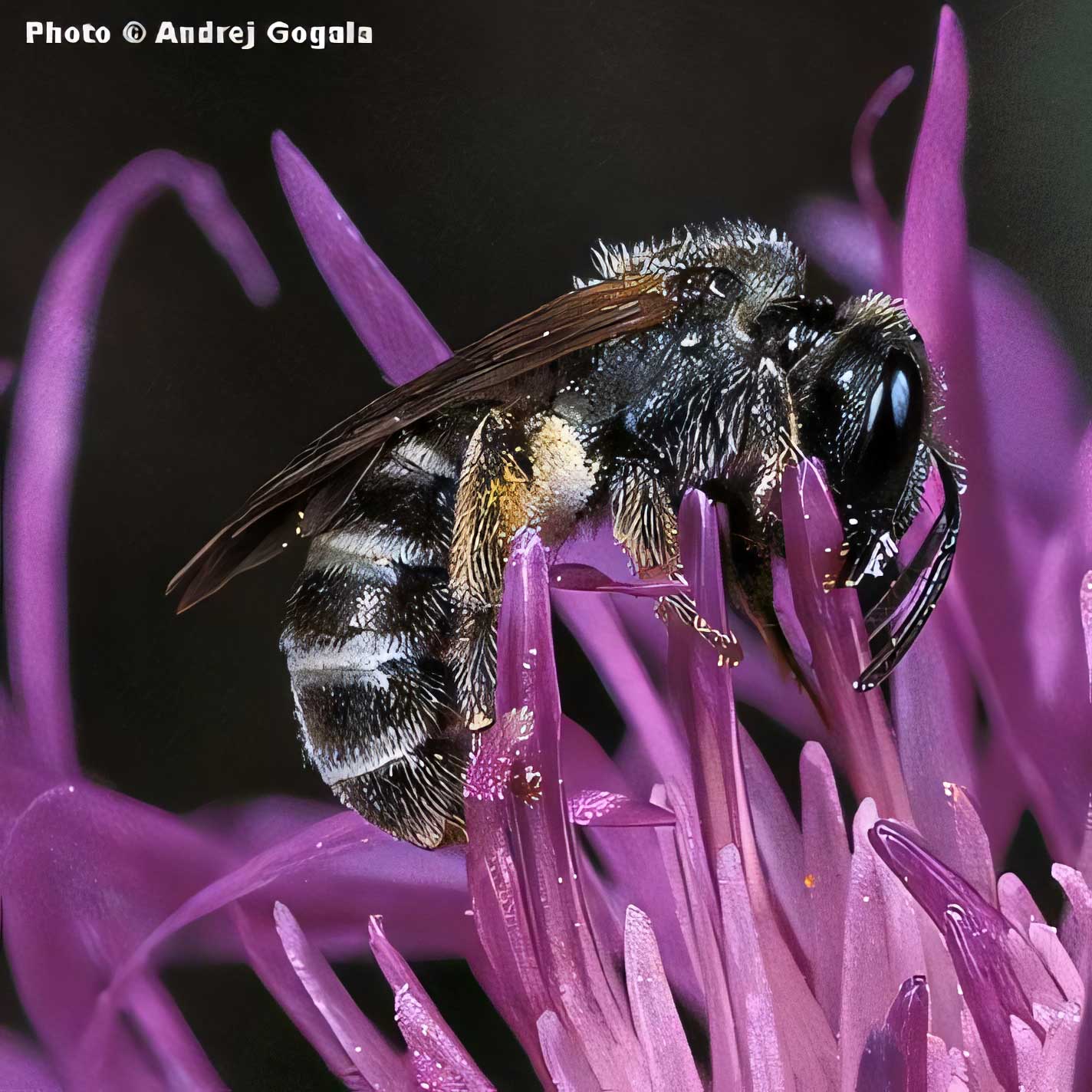
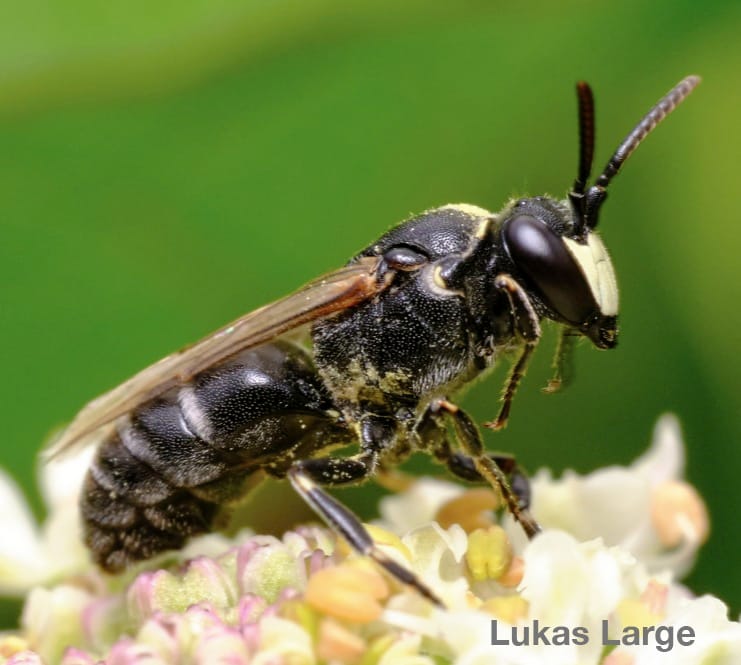
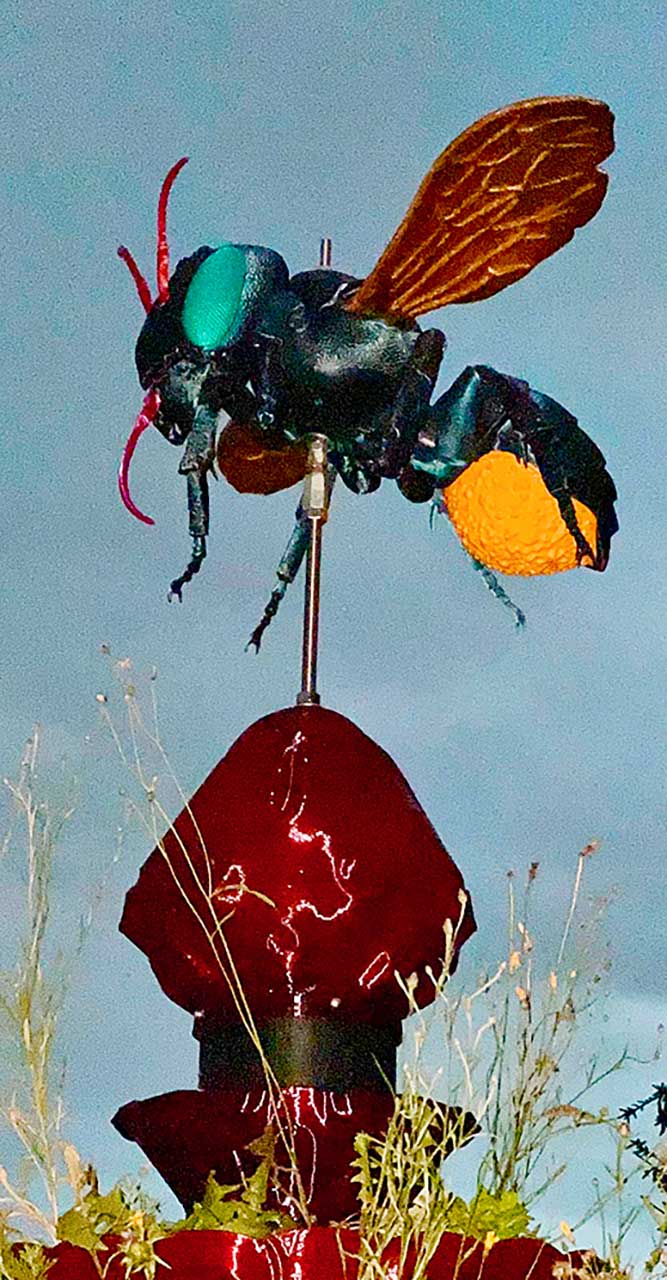
Orange-vented mason bee
Osmia leaiana
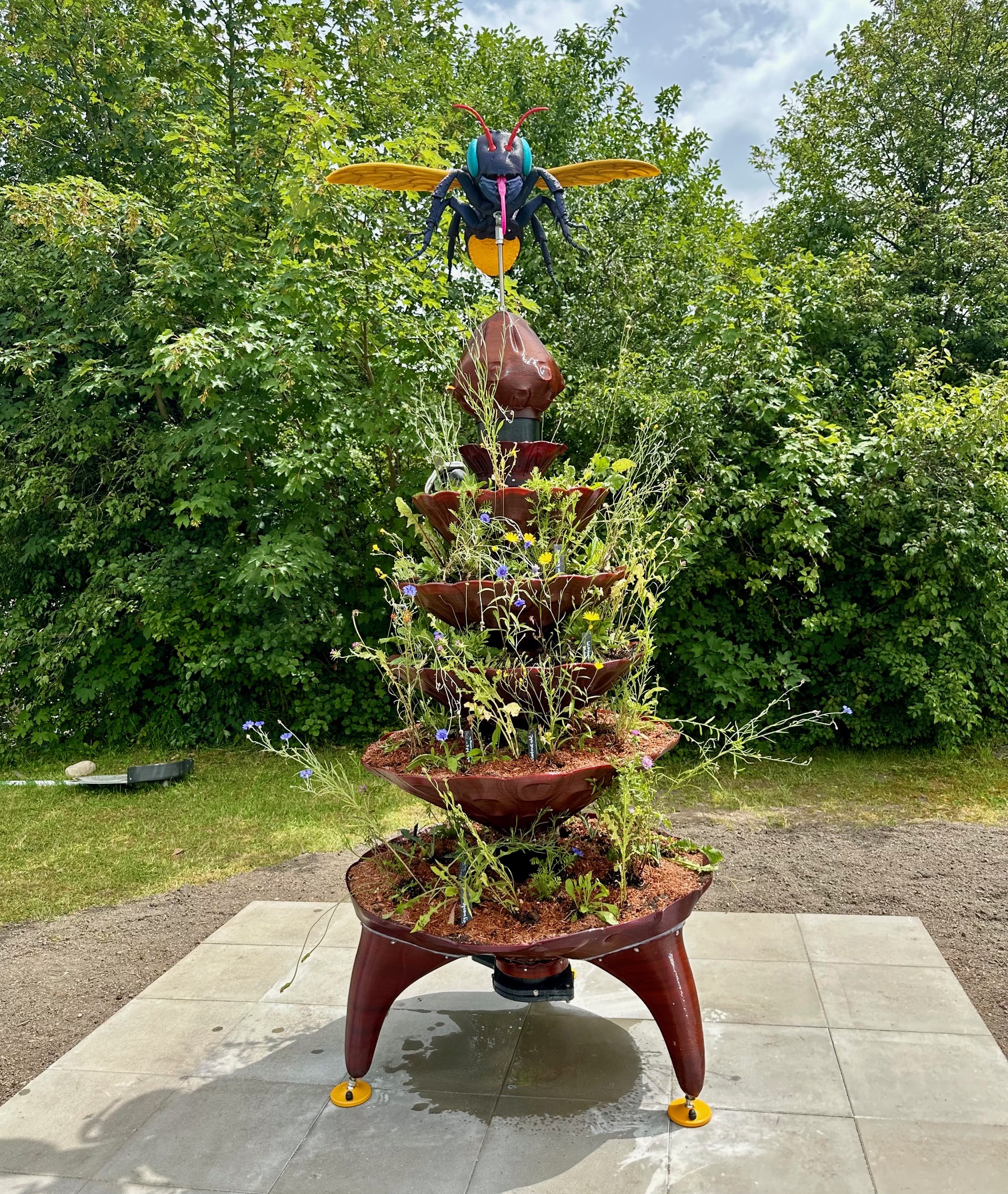
A rare mason bee that builds her nest with chewed leaves. Her totem stands in Raitenhaslach near Burghausen, with a worm hotel and a water bank.
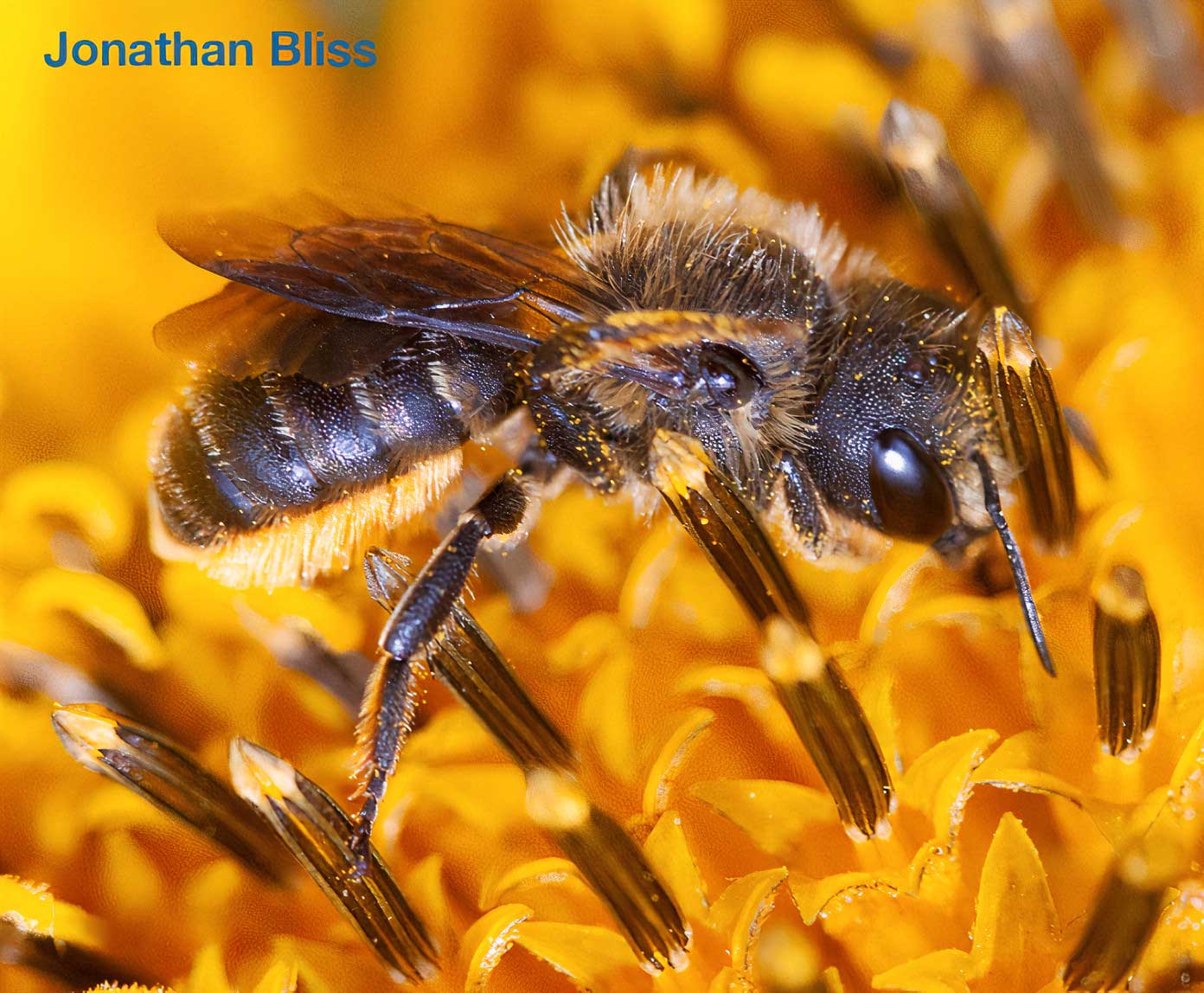 Photo of the bee: Jonathan Bliss
Flight time
May – AugNests in
Dry wood and hollow stemsTotem
RaitenhaslachBurghausenHer plants
22 specieswithin 100 to 300 metresMeet her
The orange-vented mason bee in brief.
Appearance
They are 8 to 10 millimetres long. Their hairs are longer and whitish, except for the bright orange-red pollen brush on the underside, the head shield and the back. The legs have short hairs, the abdomen sometimes has a metallic blue or green sheen, and males have green eyes.
Special features
These solitary bees are widespread but rare. They are oligolectic: pollen specialists that keep to a single plant genus or family. They pollinate the flowers described further down this page. In Central Europe the species flies from May to August. Food must not be too far from the nests, so within a foraging radius of 1 km at most. Nest choice: existing tunnels in dry wood and in hollow plant stems. They use chewed leaves as a plant mortar to build their brood cells.
Did you know?
The Orange-vented mason bee hosts cuckoo bees: the black-winged dark bee Stelis phaeoptera and the spotted dark bee Stelis punctulatissima, both threatened and rare. The best way to help cuckoo bees is to support their host bees and their habitat. Cuckoo bees are brood parasites in the nests of pollen-collecting bees. Other parasites include the five-spotted club-horned wasp Sapyga quinquepunctata and the common club-horned wasp, Sapyga clavicornis.
The totem
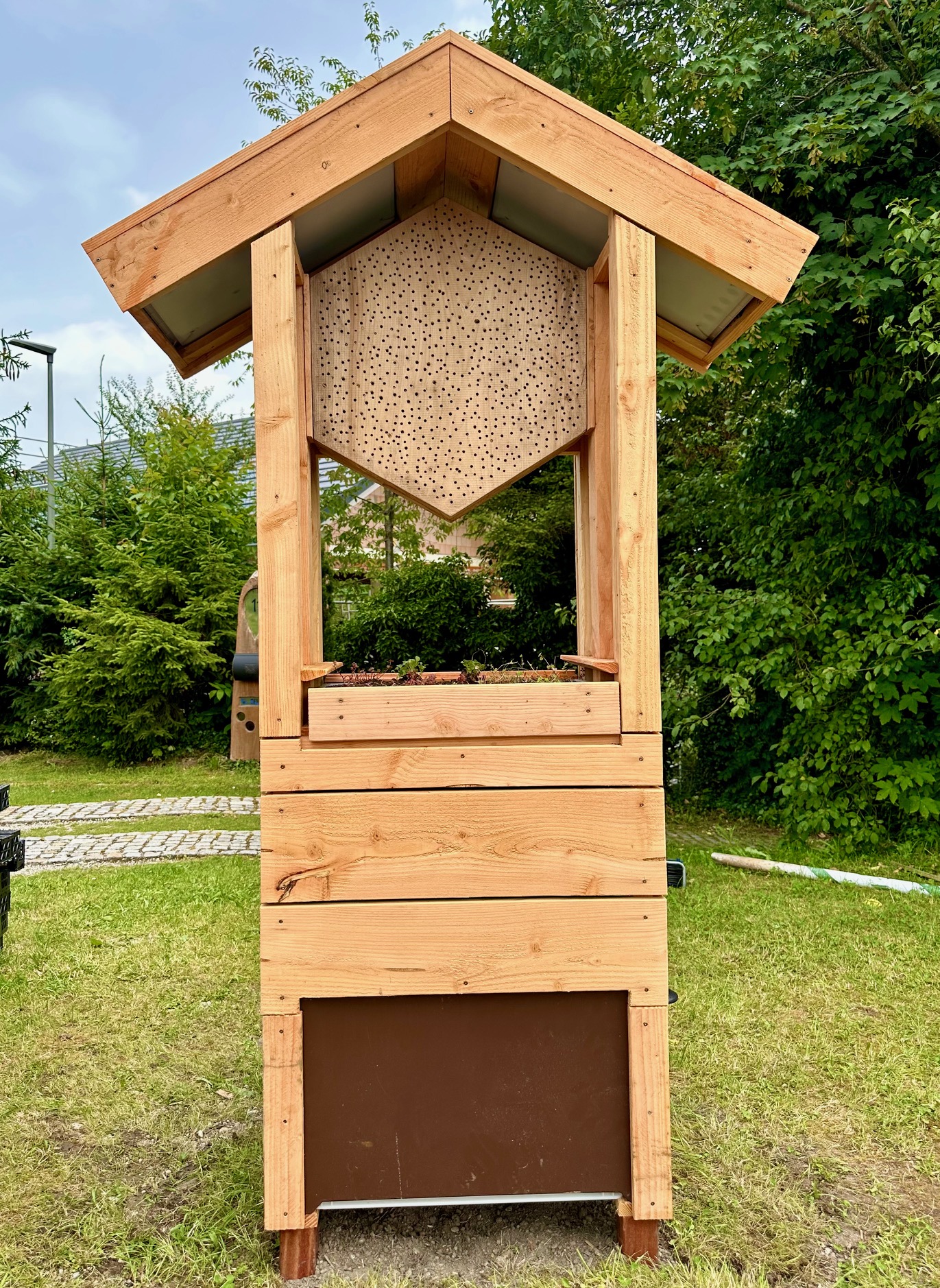
BeeTotem and BeeHotel for the Orange-vented Mason Bee
The Orange-vented mason bee is also a RefuBee and needs food and protection. Local wild bee specialists from the Bavarian Academy for Nature Conservation and Landscape Management and the Haus der Natur in Salzburg identified her as a threatened wild bee. That is why the BeeTotem and BeeHotel were developed especially for this bee. For the Orange-vented mason bee, this means an above-ground bee hotel with holes 10 cm deep and 4.5 to 5.5 mm across, which stays completely dry and catches the morning sun in spring.
This bee hotel is also joined to a worm hotel in a single object, the first experiment to combine the two. With more hosts than needed wanting to use their organic kitchen waste, the worm hotel is another way to feed the worms besides the BeeTotem. A water bank has also been installed close by. It collects rainwater through a gutter and holds up to 220 litres, which can be pumped out when needed.
It is very important that hosts and their neighbours grow the plants listed on this page in their gardens and on their balconies. That way a clan of the Orange-vented mason bee forms in the neighbourhood, and residents help create a habitat that works and helps keep this species from dying out.

Where to find her
Klosterstraße, corner of Salzachstraße, Raitenhaslach, Burghausen (Upper Bavaria)
48.13641° N, 12.79079° O
Open in the map →What she eats
Her plants, from spring to autumn.
Plant one of these within 300 metres of the totem, and your balcony or garden becomes part of her habitat. The calendar shows when there is something to eat.
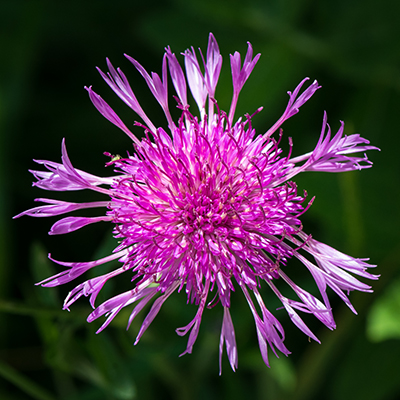
More about this plant
- Setting
- Sunny
- Size
- 30–60 cm
- Flowering
- June-October
- Lifespan
- Perennial
- Soil
- Loamy, moderate
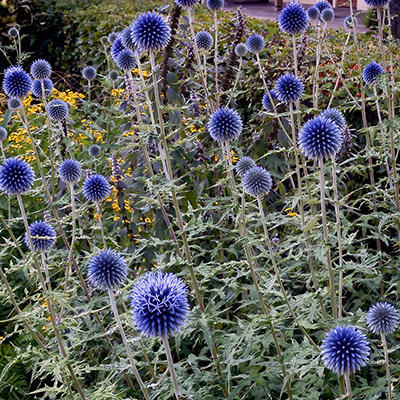
More about this plant
- Setting
- Sunny
- Size
- 45 cm
- Placement
- B
- Platform
- 1
- Flowering
- Spring-Summer
- Lifespan
- Perennial
- Soil
- Clay
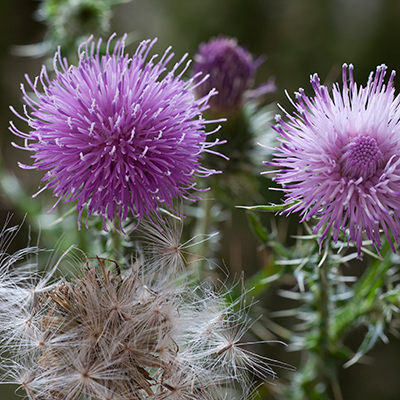
More about this plant
- Setting
- Sunny
- Size
- 20-60 cm
- Placement
- F
- Platform
- 5
- Flowering
- April-September
- Lifespan
- Perennial
- Soil
- Ruderal

More about this plant
- Setting
- Sunny
- Size
- 60-120cm
- Placement
- D
- Platform
- 1
- Flowering
- July-September
- Lifespan
- Perennial
- Soil
- Ruderal
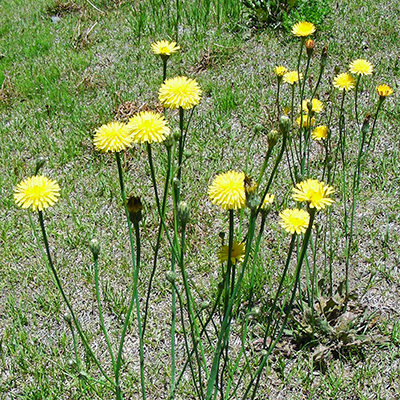
More about this plant
- Setting
- Sunny
- Size
- 30-60cm
- Placement
- E
- Platform
- 1
- Flowering
- June-September
- Lifespan
- Annual
- Soil
- Low in lime

More about this plant
- Setting
- Partial shade
- Size
- 10-40 cm
- Placement
- G
- Platform
- 4
- Flowering
- May-June
- Lifespan
- Perennial
- Soil
- Nutrient-rich

More about this plant
- Setting
- Sunny
- Size
- 20-60 cm
- Placement
- H
- Platform
- 2
- Flowering
- June-September
- Lifespan
- Perennial
- Soil
- Nutrient-rich
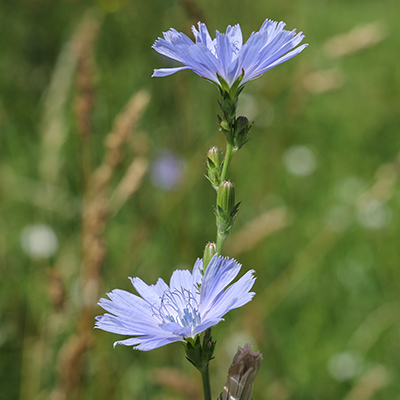
More about this plant
- Setting
- Sunny
- Size
- 25-40cm
- Placement
- I
- Platform
- 2
- Flowering
- May-October
- Lifespan
- Annual
- Soil
- Field
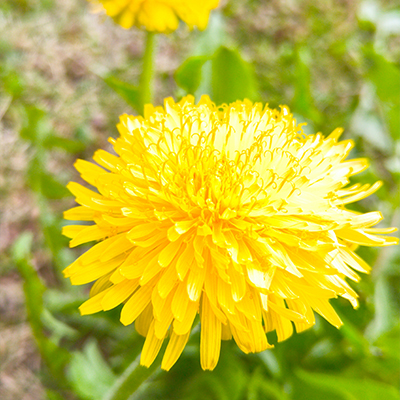
More about this plant
- Setting
- Sunny
- Size
- 20-50cm
- Placement
- J
- Platform
- 3
- Flowering
- June-September
- Lifespan
- Annual
- Soil
- Field

More about this plant
- Setting
- Moist/partial shade
- Size
- 30-120 cm
- Placement
- K
- Platform
- 4
- Flowering
- June-Oct
- Lifespan
- Biennial
- Soil
- Nutrient-rich

More about this plant
- Setting
- Wet
- Size
- 60-90 cm
- Placement
- L
- Platform
- 5
- Flowering
- July-September
- Lifespan
- Perennial
- Soil
- Brackish

More about this plant
- Setting
- Sunny
- Size
- 30-80cm
- Placement
- M
- Platform
- 5
- Lifespan
- Annual
- Soil
- Clay
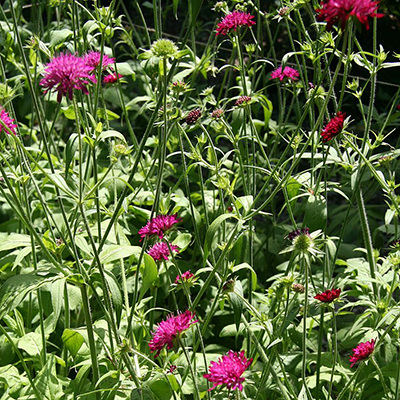
More about this plant
- Setting
- Partial shade
- Size
- 20-50cm
- Placement
- N
- Platform
- 4
- Flowering
- April-May
- Lifespan
- Perennial
- Soil
- Any

More about this plant
- Setting
- Sunny
- Size
- 15-60 cm
- Placement
- O
- Platform
- 1
- Flowering
- July-September
- Lifespan
- Woody dwarf shrub
- Soil
- Ruderal

More about this plant
- Setting
- Sunny
- Size
- 30-90 cm
- Placement
- P
- Platform
- 4
- Flowering
- June-November
- Lifespan
- Annual or biennial
- Soil
- Nutrient-rich

More about this plant
- Setting
- Any
- Size
- 30-70cm
- Placement
- Q
- Platform
- 3
- Flowering
- June-September
- Lifespan
- Perennial
- Soil
- Any
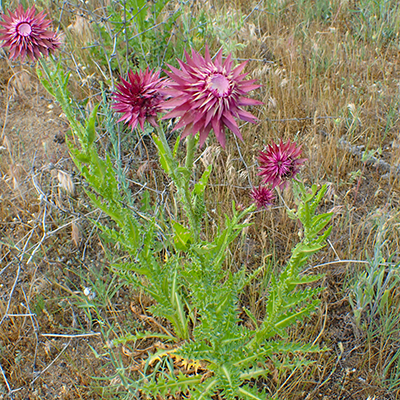
More about this plant
- Setting
- Sunny
- Size
- 60-120 cm
- Placement
- R
- Platform
- 3
- Flowering
- June-August
- Lifespan
- Perennial
- Soil
- Clay
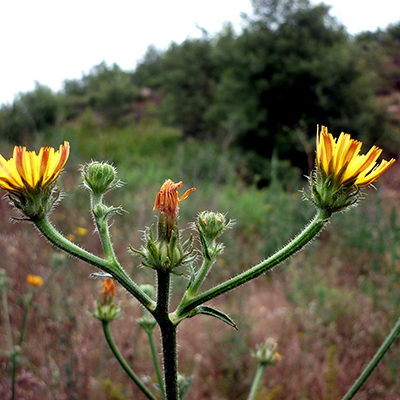
More about this plant
- Setting
- Sunny
- Size
- 30-60 cm
- Placement
- S
- Platform
- 3
- Flowering
- May-August
- Lifespan
- Perennial
- Soil
- Moderately nutrient-rich
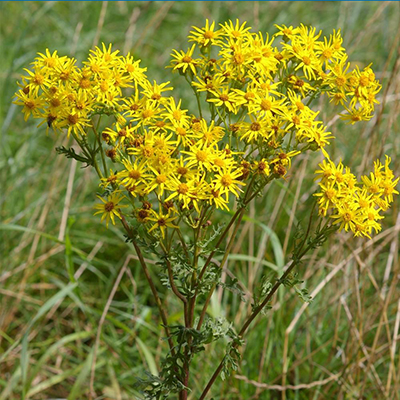
More about this plant
- Setting
- Partial shade
- Size
- 15-50cm
- Placement
- T
- Platform
- 2
- Flowering
- June-August
- Lifespan
- Perennial
- Soil
- Nutrient-rich
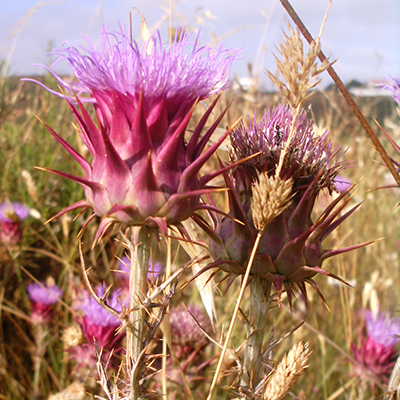
More about this plant
- Setting
- Partial shade
- Size
- 5-40cm
- Placement
- U
- Platform
- 4
- Flowering
- March-May / Sept -Nov
- Lifespan
- Perennial
- Soil
- Nutrient-rich

More about this plant
- Setting
- Partial shade
- Size
- 20-50 cm
- Placement
- V
- Platform
- 4
- Flowering
- June-October
- Lifespan
- Annual or biennial
- Soil
- Nutrient-rich

More about this plant
- Setting
- Sunny
- Size
- 30-90 cm
- Placement
- W
- Platform
- 5
- Flowering
- April-October
- Lifespan
- Perennial
- Soil
- Nutrient-rich
Buying plants
Organic, and native if you can.
It is very important that the plants are organic and, where possible, native varieties. We share the dream of Rici Schönerl: more biodiversity for plants, animals and people, with flowering vegetation. Rici is an organic grower of native wild plants. You can order plants and seeds.
Buy before or at the start of the flowering season. Sowing works too.
Karmagotchi
How the totem is doing.
The Karmagotchi is based on the idea of the Tamagotchi. It is a tool that lets hosts keep track, together, of how the plants and worms in the BeeTotem are doing. A script linked to the local weather station runs all the time, collects temperature and rainfall data and sets the level from 100 to 0%. Hosts have access to this interface. After adding water or kitchen scraps, they can let all the other hosts know by simply tapping the water or food icon.
Water72%
Food for the worms38%
Sample values. Hosts see the real levels here and report with one tap that they have given water or kitchen scraps.
Join in
Help look after the orange-vented mason bee.
Host
Become a host of the totem
Hosts feed the worms kitchen scraps, keep the plants watered and tell the neighbours about it. Fill in the covenant and email it to info@refubees.org.
Email usAdopt
Plant her flowers at home
Find out which bee belongs to your neighbourhood and which flowers she needs. One plant on your balcony already helps.
Adopt a beeSpotting
Seen her? Take a photo
The paving stone next to the totem has a QR code that leads to this page. Seen the bee? Take a photo and send it in: that way we can tell whether the totem works.
Send a photoOther totems