About / Network
Network
Nobody saves a bee on their own.
RefuBees works with ecologists, botanists, designers, municipalities and residents in the Netherlands and Germany. They provide knowledge, criticism and sometimes a place for a totem. Here they explain why they take part.
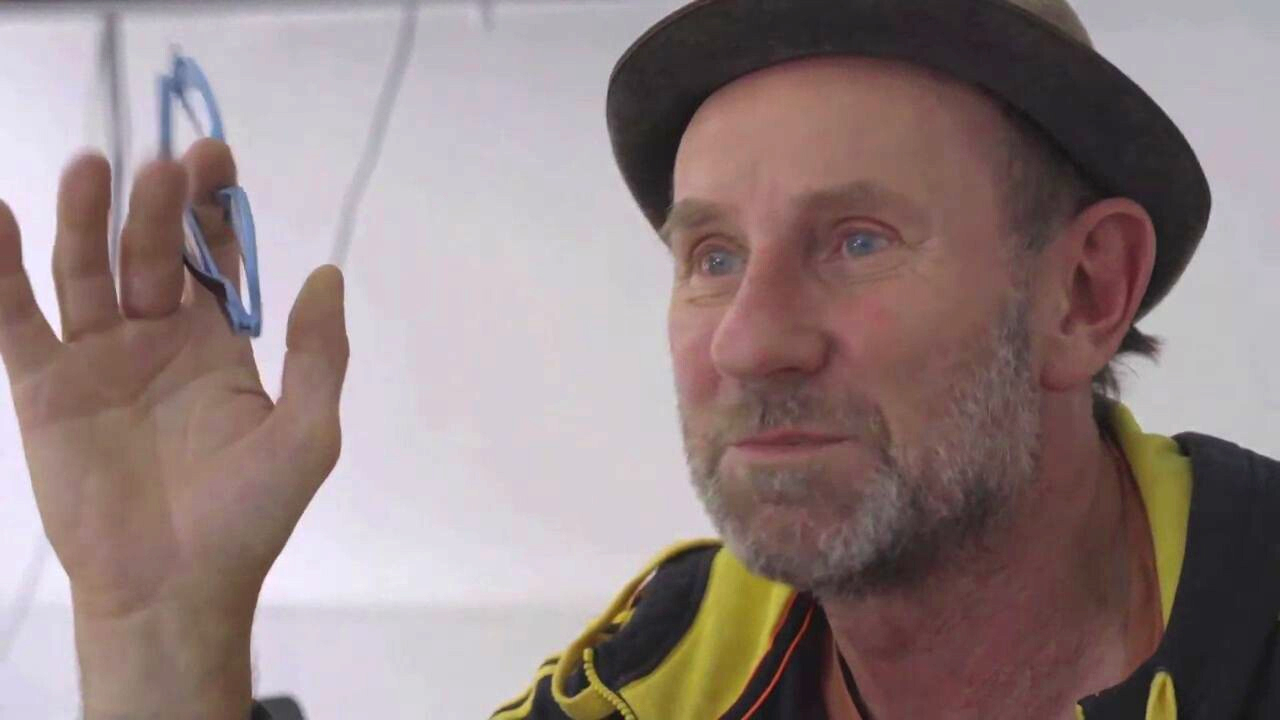
Since the 1980s, Hans Kalliwoda’s work has focused on integrating viewers into artworks, installations and interventions.
Read the whole story
Since the 1980s, Hans Kalliwoda’s work has focused on integrating viewers into artworks, installations and interventions. His conceptual art has been exhibited in numerous galleries, museums and public spaces from Cape Town to San Francisco.
Over the past 25 years, Hans has been actively involved in art/science projects, working with numerous engineers and scientists. From 2000 to 2005 he was a pioneer of cross-faculty collaboration on sustainability issues at TU Delft. Later, between 2013 and 2017, he took part in the PhDArts programme at Leiden University.
These experiences have made him an exceptional expert in orchestrating and leading complex interdisciplinary collaborations, both in academia and beyond.
As co-director of the TuDelft Urban Ecology and EcoCities Lab, Kalliwoda is currently forming a consortium of academics and professionals to develop, in international collaboration, new methods for transforming urban centres into nature reserves for pollinators.
His pioneering spirit and his intervention projects have earned him the role of an avant-garde artist who makes the impossible possible. With his interactive art and symbiotic adventures, Kalliwoda brings romance and utopia into the reality of the present.
Photo: Video still by Frank Theijs

Wolfgang Weisser heads the Chair of Terrestrial Ecology in the Department of Life Science Systems at the Technical University of Munich.
Read the whole story
Wolfgang Weisser heads the Chair of Terrestrial Ecology in the Department of Life Science Systems at the Technical University of Munich. His research focuses on the intricate ecological interactions between organisms and the far-reaching effects of these interactions on populations, communities and ecosystems. His main focus is on investigating the effects of human-induced changes in land use on biodiversity and developing strategies for sustainable land management. The research methodology includes extensive fieldwork and uses insects as important model organisms.
Science, Art and Society. Support for the BeeTotem for RefuBees project
He states: “Combating insect decline is an urgent concern that requires both scientific research and public debate. The combination of species protection, science and art is a powerful catalyst for promoting far-reaching societal discussion. That is why I wholeheartedly support the BeeTotem for RefuBees project, which focuses on wild bees, a subject that has captured the collective interest of society.
Innovative case study. pedagogical impact and scientific evaluation
This innovative case study has the potential to deliver numerous benefits for society, including educational implications in schools. In collaboration with the Technical University of Munich, the effectiveness of the measures will be scientifically evaluated, taking into account various influencing factors such as location, existing habitat connectivity and species-specific characteristics. The large number of planned replication trials will allow statistically robust statements about providing alternative habitats for wild bees and the related considerations.
Photo: U. Benz/TUM
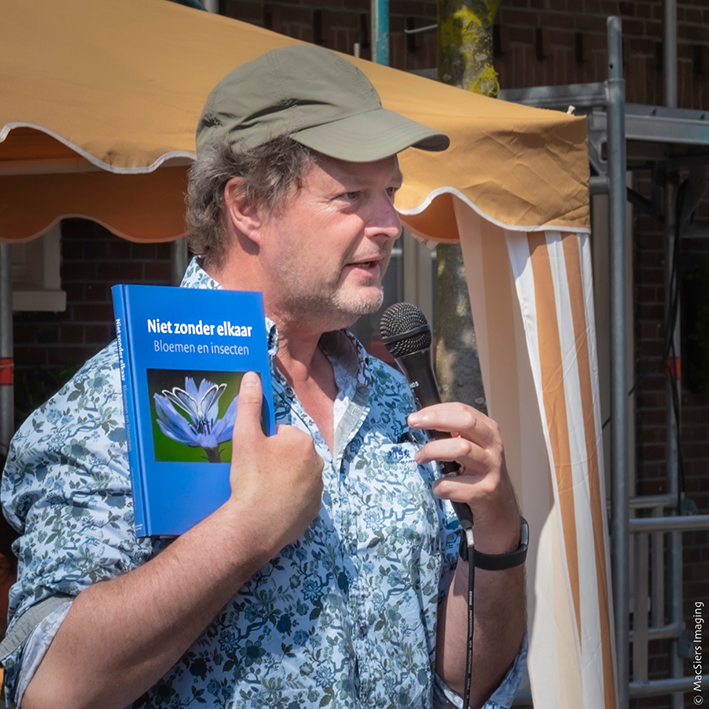
Koos Biesmeijer is scientific director of Naturalis, the Dutch natural history museum in Leiden.
Read the whole story
Koos Biesmeijer is scientific director of Naturalis, the Dutch natural history museum in Leiden. He has also been honoured with the title of Professor of Natural Capital in Leiden, testimony to his commitment to environmental responsibility. In close collaboration with scientific and societal partners, he works to improve the Dutch landscape so that it better supports pollinators and promotes biodiversity on a large scale.
He played a central role in the major public unveiling ceremony of the BeeTotem on the Admiralengracht in Amsterdam by officially opening the event. In his address to the audience he made a remarkable statement: “This is the most exquisite bee hotel I have ever come across, and I must say that the BeeTotem is truly impressive. It underlines the principle that we are connected to one another and that it is our shared responsibility, particularly for future generations, to ensure that we leave this world in a better state than we found it.
‘I am tremendously enthusiastic about the bee totem project and hope that at Naturalis we can find the possibility for a similar action’.
Image: MacSiersImaging
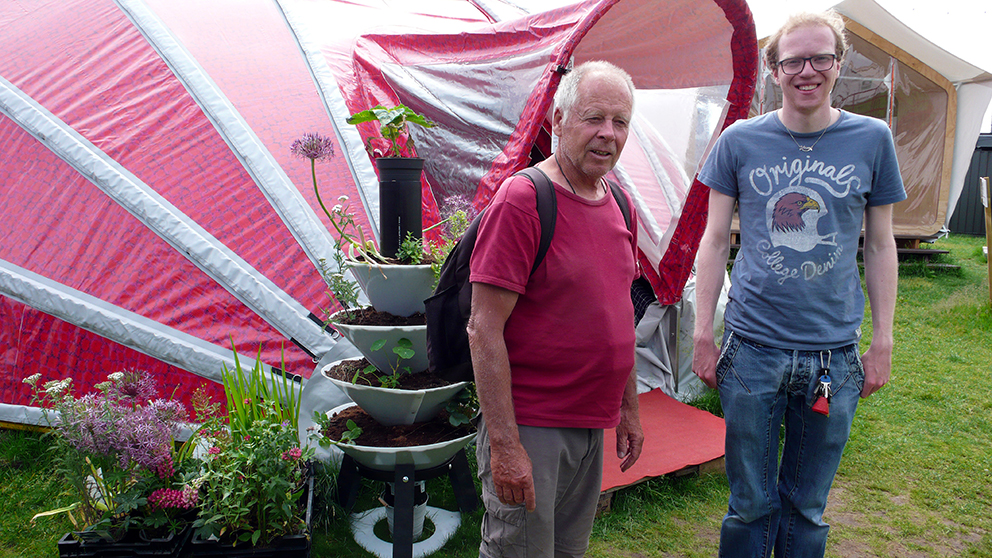
Our collaboration with Arie Koster began in 2014 and has covered a wide range of joint ventures.
Read the whole story
Our collaboration with Arie Koster began in 2014 and has covered a wide range of joint ventures. His involvement has been crucial, as he has given us valuable guidance, from the careful quality control of our bee hotels to the strategic positioning of BeeTotems. In particular, Arie Koster has generously given us permission to use his photographic work on our website, taken from his extensive and beautiful publication ‘Plantenvademecum voor wilde bijen, vlinders en biodiversiteit in tuinen’ (Plant Vademecum for Wild Bees, Butterflies and Biodiversity in Gardens).
In addition, the City of Amsterdam has twice – in 2000 and 2015 – asked Arie Koster to carry out extensive research into wild bees in the context of green space management in the city. Looking ahead, we hope that this fruitful collaboration will expand in 2024 to further research for Amsterdam.
Image: at the Future Pollination Lab at the FAB City Campus in 2016
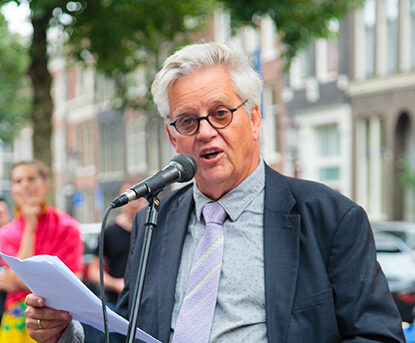
In his role as scientific director of the TU Delft Botanic Garden, Bob Ursem gave a compelling speech at the inauguration of the BeeTotem on the…
Read the whole story
In his role as scientific director of the TU Delft Botanic Garden, Bob Ursem gave a compelling speech at the inauguration of the BeeTotem on the Palmgracht in the heart of Amsterdam. His message was concise and impressive, so here is an excerpt: ‘Ladies and gentlemen, what kind of world are we heading for if bees and bumblebees can no longer fly? A frightening prospect when biodiversity declines so dramatically that a void literally forms around us.
I was in China, in Wuhan, where you could experience that there were no birds, no insects, no grasshoppers to be seen in the air; the whole landscape had become a completely animal-free, biodiversity-free desert. A ghost, I think... Fortunately this is still unthinkable in the Netherlands today, but we are heading there fast, perhaps unintentionally.
You can really do something about it. And with that I now address everyone personally.
The wonderful BeeTotems project even eases this problem.
With BeeTotems for RefuBees you quickly see fine examples of a bee food totem and a bee hotel. Plants are planted in a coastal planter, all of which provide plenty of nectar and pollen for wild bees and bumblebees.
These are specially selected plants which also supply large quantities of nectar and pollen that are exactly right for all the specific groups of bees and bumblebees. Many wild bees and bumblebees are specialised in particular species and are therefore bound to particular suitable flowers. In the various BeeTotems you can therefore also see very different kinds of flowering plants, so that a wide range offers enough of the right amount of food for everyone.
You would think so. I also have a garden or a balcony full of flowering plants. So why do I need a BeeTotem at all?
The ornamental plants in your garden or on your balcony usually come from the garden centre and have been selected and bred for their colourful, large flowers, but they provide little or no nectar and are therefore not food plants for bees and bumblebees.
There are very few plant breeders in the Netherlands who specialise in nectar- and pollen-producing plants for flying insects. As part of this project, this aspect is taken into account in the totems by working with nurseries such as Kruydthoeck and Hessenhof.
When we set up BeeTotems all over the city, we help to improve the biodiversity of bees and bumblebees. They can extend the food chain further. There will then be more insect-eating birds and bats, and fewer nuisances from blood-feeding insects such as mosquitoes. In short, a much better environment for the animals and for your wellbeing in your immediate surroundings.’
Photo: Rodolfo Vejar
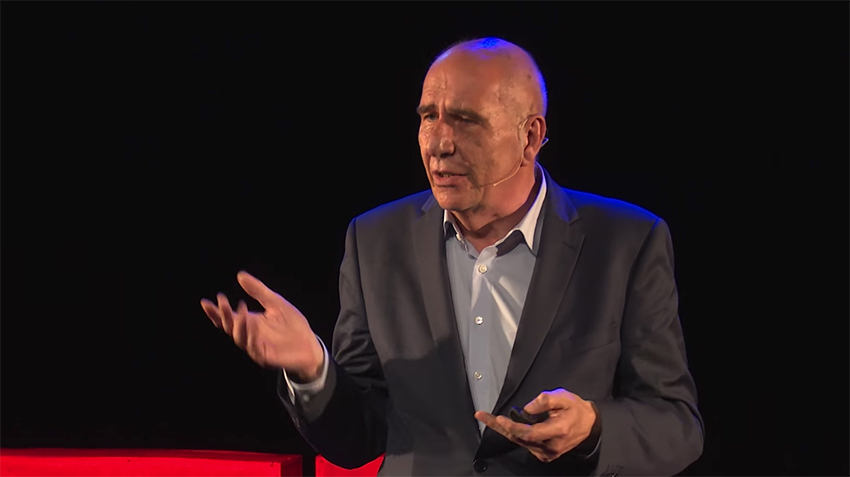
Matthijs Schouten is a leading Dutch ecologist and philosopher who worked for Staatsbosbeheer for a long time.
Read the whole story
Matthijs Schouten is a leading Dutch ecologist and philosopher who worked for Staatsbosbeheer for a long time. At the same time he took on the role of associate professor of Ecology and Philosophy of Nature Restoration in the Nature Conservation and Plant Ecology group at Wageningen University. He is also professor of nature and landscape conservation at University College Cork in Ireland.
Matthijs Schouten became involved in the city as nature reserve during Hans Kalliwoda’s doctoral thesis and joined as an additional supervisor for this research effort. Shared intellectual explorations often crossed a layered terrain, in which profound themes such as the interwovenness of humans and nature came up in particular. These engaging discussions combined the disciplines of ecology, philosophy and art.
Through his advisory roles at various leading institutes and organisations, Matthijs has often been consulted as an adviser by the Ministry of Infrastructure and Water Management (RWS). Thanks to his mediation, the opportunity arose to work together with the Pollination Lab project, which subsequently grew into an extremely fruitful collaboration.
Photo: Tedx Apeldoorn
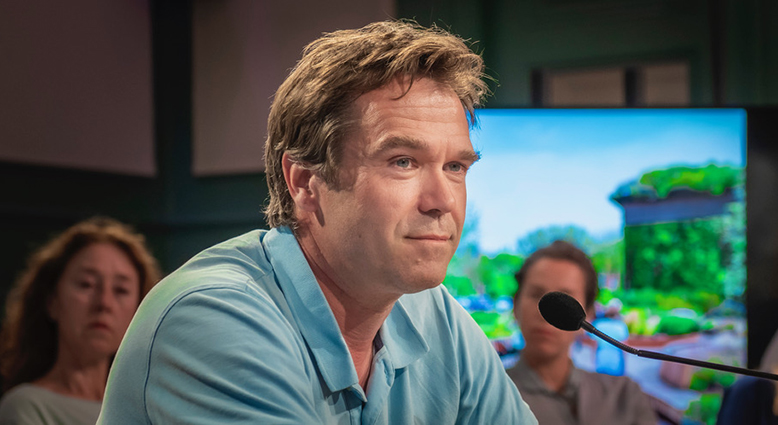
Nico Tillie heads the Urban Ecology and Ecocities Laboratory at Delft University of Technology and is Research Associate in Urban Ecology…
Read the whole story
Nico Tillie heads the Urban Ecology and Ecocities Laboratory at Delft University of Technology and is Research Associate in Urban Ecology and professor in the Department of Landscape Architecture. Until recently he was a member of the Advisory Committee for the Sustainable Development Initiative for the Paris 2024 Olympic Games for Solideo. He is currently a member of the Scientific Advisory Board of Dutch Greenlabel.
He is also vice-president of the World Council on City Data and a Senior Fellow at the Global Cities Institute of the University of Toronto in Canada. Notable contributions include chairing the World Ecocities Summit 2022 in Rotterdam, a major event on sustainable urban development.
Image: MacSiersImaging
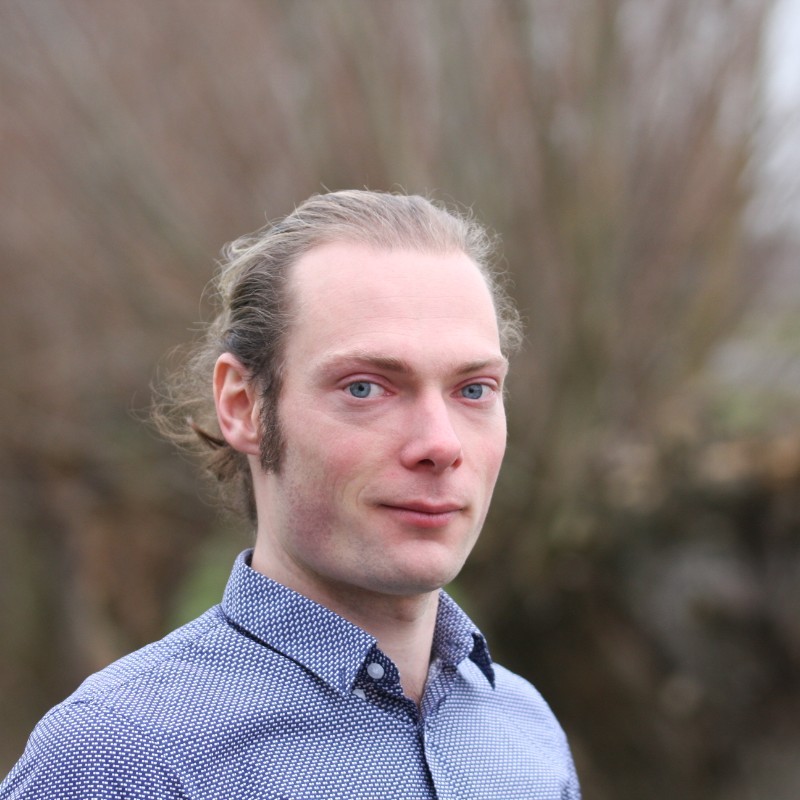
With a master’s degree in mechanical engineering, his professional focus lies in the intricate field of quantum research, where he works as a test engineer in a sustainable environment…
Read the whole story
With a master’s degree in mechanical engineering, his professional focus lies in the intricate field of quantum research, where he works as a test engineer in a sustainable environment. Alongside his main occupation, he is actively involved in multifaceted issues such as climate protection, biodiversity conservation and the introduction of circular practices in line with the objectives of the European Union.
Since 2020 he has been closely monitoring the wild bee populations at TUDelft and its surroundings, and he plays an important role in carrying out case studies on the campus.
Image: unknown
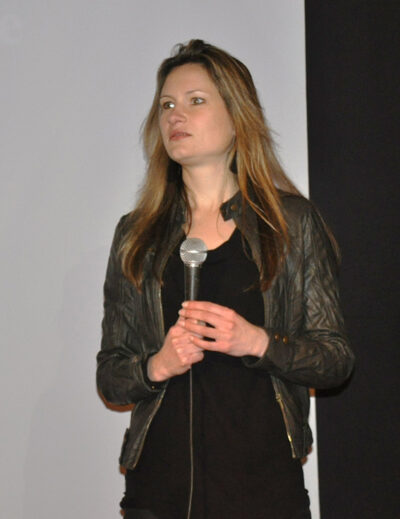
Jolanda Maas is a professor in the Faculty of Behavioural and Movement Sciences with a focus on Clinical Psychology at Amsterdam University Medical Centre…
Read the whole story
Jolanda Maas is a professor in the Faculty of Behavioural and Movement Sciences with a focus on Clinical Psychology at Amsterdam University Medical Centre (VUmc) in the Department of Public and Occupational Health, and was an important guest at our 2014 symposium ‘City as Nature Reserve’. This first meeting marked the beginning of a lasting partnership, as the subsequent meetings further strengthened our shared commitment to exploring different research directions and promoting joint efforts.
Jolanda Maas has always had an affinity with nature, because when she was younger she often visited all kinds of green spaces with her parents. This led her to write her doctoral thesis on ‘vitamin G’ (green space as a vitamin). In her thesis she looked at the relationship between the amount of green in the living environment and health. The subject was very progressive at the time, because when she began her research in 2005 there were only two published studies on the topic.
Excerpt from the article by Caterina Fagiolari at https://moss.amsterdam/2023/07/25/interview-with-jolanda-maas/
Image: Jolanda Maas at the 2014 symposium / Ruth Hoek
Rosa works as a PhD candidate in the Urban Ecology Design Lab at Delft University of Technology.
Read the whole story
Rosa works as a PhD candidate in the Urban Ecology Design Lab at Delft University of Technology. In her research, Rosa focuses on the transformative design of Dutch (industrial) business parks. Her research, aimed at multifunctionality, contributes to the national ambition to transform these sites into healthy, nature-inclusive and multifunctional workplaces of the future.
She began at the Urban Ecology Design Lab after graduating cum laude from the Urbanism Master track at Delft University of Technology, with her research project Urban Arid Green. With regard to dry climates, she is a member of the validation panel of the Ecocity Morocco programme.
During her studies she started Wolveprent to work on unique design projects such as the Greening NEOM project.
Alongside her work, she volunteers for Africa Wood Grow to help with reforestation in Kenya by empowering local communities.
In our search to put together an interdisciplinary team of specialists to devise working methodologies for implementing a research project that is meant to serve as a blueprint that can be rolled out in other European cities…
Read the whole story
In our search to put together an interdisciplinary team of specialists to devise working methodologies for implementing a research project that is meant to serve as a blueprint that can be rolled out in other European cities, we met Hade Dorst at her workplace at TNO in The Hague. She is a researcher and adviser at TNO Vector, Centre for Social Innovation and Strategy.
We became aware of her passion for cross-sector, integrated governance and decision-making, by tackling and overcoming societal challenges and structural obstacles to enabling physical spatial transformations. In the context of urban sustainability transitions, she has a background in (urban) geography and sustainability transitions, uncovering structural conditions that stand in the way of urban nature-based solutions. Within the kind of research we are doing there may be an interface that breaks down barriers and creates access to the ‘right people’ she has in mind, such as bankers who make investment decisions, gatekeepers at large property developers and senior civil servants at ministries. When we set out our case, she offered her cooperation and would become part of the consortium.
Since people are the primary ‘share of nature’ in the Anthropocene, especially in an urban setting, you can better contextualise challenges in a socio-ecological perspective, which begs for additional input from fields such as sociology and psychology, but that is for another blog.
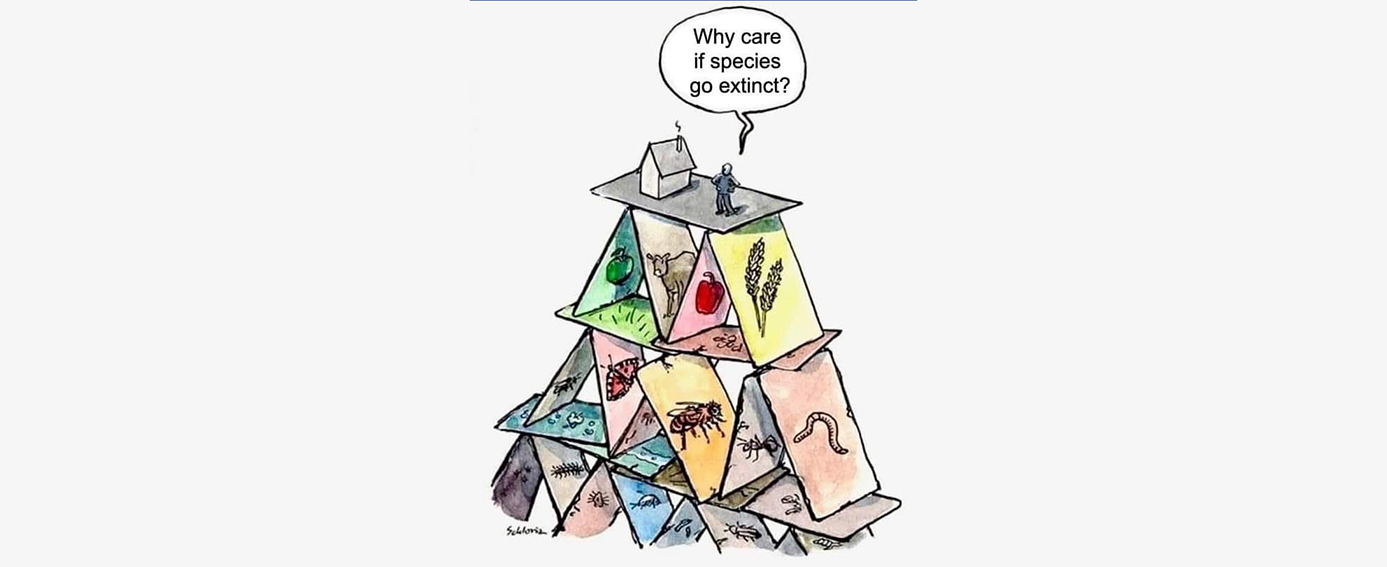
Meeting with Caspar Hallmann. Network goals and support for…
Read the whole story
Meeting with Caspar Hallmann. Network goals and support for RefuBees
In spring 2023 we visited Caspar Hallmann of Radboud University in Nijmegen, close to the German border. Our aim was to discuss our network intentions with a request for support for the RefuBees and City as Nature Reserve initiatives.
During our meeting Caspar told us that his research, highlighted in a Reuters press release, was the trigger for becoming a viral phenomenon. In addition to the 2018 report (Hallmann report, linked below), scientists had long been warning of the signs of biodiversity loss and ecosystem collapse before this report. What would the figures be if we had started measuring in the 1960s? Unfortunately, there is no solution for the underlying causes such as selfishness, greed and lack of empathy.
The alarming decline of insects. causes and consequences
Despite the hundreds of petitions signed by people over the past ten years, there has been no shift away from the ‘business as usual’ approach in rural areas. Since the start of his study in 1990, a significant decrease of 75 per cent in the biomass of flying insects in protected areas has been observed over 27 years. If this trend continues, it could reach as much as 99 per cent by 2030. In some Chinese provinces, apple trees are already being pollinated by hand with brushes because of the lack of insects, especially pollinators.
The Dutch biologist and writer Midas Dekkers put it well: ‘Insects, especially pollinators, play a crucial role because they form the basis of the food chain’.
Drawing: Schloriz

His office is in the Natural History Museum in Salzburg, but the best place to meet him is on a walk along the banks of the Danube during the pollinators’ high season, or perhaps late in the evening in a traditional beer garden…
Read the whole story
His office is in the Natural History Museum in Salzburg, but the best place to meet him is on a walk along the banks of the Danube during the pollinators’ high season, or perhaps late in the evening in a traditional beer garden. His area of expertise is the wild bees of Austria and the bumblebees of the world, with a particular focus on pollination ecology in natural and agricultural landscapes. This expertise includes an extensive collection of photographic material and a repertoire of lectures as a member of the Austrian Wild Bee Council.
A newspaper interview of 3 October 2022 entitled ‘Insect Extinction: A Perennial Issue in Vorarlberg’ addressed the precarious situation of wild bees and the general problem of insect decline. Through a series of questions, biologist and wild bee expert Johann Neumayer gave insight into the underlying causes. Here is an excerpt:
What can everyone do in private to support bees? Anyone who owns a piece of land – including a balcony with flower boxes – should aim for diversity rather than uniformity. At first, many people perceive diversity as messy and chaotic. Nature is, in a sense, a wild mess – but not a pigsty. We, as a society, have developed peculiar ideals of beauty that are far removed from nature. Ideally, the garden should be clean and tidy. But that does not work ecologically. A paradigm shift is needed here, but it will not happen overnight.
Do we still have that time?
When it comes to biodiversity, we now have to pull out all the stops to bring about positive change. There are already some good campaigns, such as the ‘Blooming Vorarlberg’ initiative. In the city of Salzburg, public space is now laid out as a meadow and no longer as a lawn. There is an urgent need for areas for biodiversity.
Source https://www.krone.at/2521659
Image: Hans Kalliwoda
Bernhard Hoiss is the central contact at the Bavarian Academy for Nature Conservation and Landscape Management (ANL) for zoological questions and zoological species knowledge, with…
Read the whole story
Bernhard Hoiss is the central contact at the Bavarian Academy for Nature Conservation and Landscape Management (ANL) for zoological questions and zoological species knowledge, with a focus on wild bees, birds and hoverflies.
The ANL’s head office is near the town of Burghausen, directly on the banks of the river Salzach. The subject and content of the upcoming international symposium in Raitenhaslach is a kind of ‘home game’ for him and his team, as it coincides with his daily areas of attention and specialisms.
Thanks to his extensive network, collaboration with other professionals has proved very valuable and numerous opportunities for joint ventures have arisen.
Image: Hans Kalliwoda
Introduction:. Visit to the botanical garden…
Read the whole story
Introduction: . Visit to the Munich/Nymphenburg botanical garden
The task of preventing the extinction of the full spectrum of pollinator species is a challenge best understood by people involved in running botanical gardens. Bob Ursem has carefully built up an extensive network of contacts within the global botanical garden community through his leading role in several botanical gardens and his term as chair of the Dutch Association of Botanical Gardens. In his capacity as close collaborator and adviser to our initiative, which aims to develop methods to counter this extinction crisis, he facilitated an introduction to the Munich/Nymphenburg Botanical Garden. This visit took place on a chilly day in February 2023.
Expert Talks. Diversity of wild bees in Munich
Our meeting in this botanical garden was particularly illuminating, as we met two respected experts, Andreas Gröger and Andreas Fleischmann, who specialise in flora and pollination biology respectively. The main purpose of this visit was not only to gain more support for the vision and content of our upcoming three-day symposium entitled ‘Devising Urban Conditions to Host the RefuBees’, but also to involve them in the early stages of programming and content development.
Innovative concepts. districts for bees in the city
In our conversations with them it emerged that there are some 230 different species of wild bee in Munich. This resulted in a new concept: the prospect of dividing the urban landscape into different districts, each tailored to the specific needs of one bee species. In the case of Munich, this innovative approach could potentially house all 230 of these unique species within the city limits.
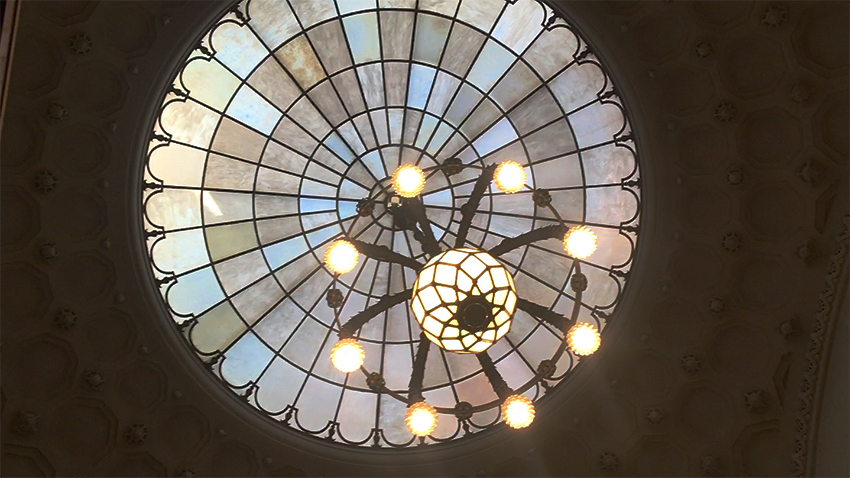
Image: Still from the video in the hall of the Munich/Nymphenburg botanical garden. Photo below with Andreas Gröger and Andreas Fleischmann

We had the honour of receiving an invitation to a lobby visit to the Bavarian state parliament in favour of wild bees and biodiversity.
Read the whole story
We had the honour of receiving an invitation to a lobby visit to the Bavarian state parliament in favour of wild bees and biodiversity. In the second session we had the opportunity to have an in-depth conversation with Christian Hierneis. Besides his work as a member of the state parliament, he is director of the Bund Nature Conservation Foundation and chair of the board of the Bund Naturschutz in Munich. With around 660,000 members and sponsors throughout the country, the Bund Naturschutz is a major environmental organisation in Germany.
Christian Hierneis took the initiative to bring us together with Dr Christine Margraf, the organisation’s wild bee specialist. Our meeting took place in February 2023 at the Nature Conservation Centre in Munich, where we successfully discussed collaborations. The focus was on the Raitenhaslach Symposium and the strategic steps needed for the implementation of a comprehensive pilot project in Munich.
Image: unknown
In our search for Europe’s most advanced 3D scanning facility we came across the Ecological Networks department at the Technical University of Darmstadt.
Read the whole story
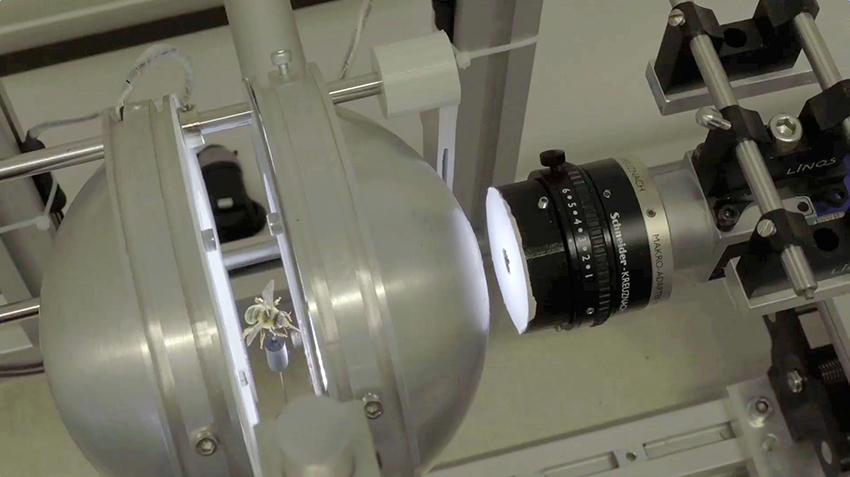
In our search for Europe’s most advanced 3D scanning facility we came across the Ecological Networks department at the Technical University of Darmstadt. We promptly arranged a meeting with Michael to present our concept of the City as (Temporary) Nature Reserve and the BeeTotem for RefuBees to a number of researchers in the department. The responses were predominantly positive, with great enthusiasm for our ideas.
During our discussions, some researchers suggested that the term ‘Totemism’ might not be ideal in German-speaking communities because of the potentially misleading connotation of the first part of the word, ‘Tot’, which means ‘dead’ in German. They were afraid it might be misinterpreted as esoteric or New Age, which would not attract much support. Nevertheless, our brainstorming session following the presentation was filled with both laughter and valuable insights. We received numerous creative ideas and suggestions for implementing our concept in local neighbourhoods.
The 3D scanning equipment used to capture the intricate details of the bee specimens comes from a distinctive non-profit organisation known as Dinarda, which specialises in managing a digital archive of historical nature-related data. Sebastian played a crucial role in providing substantial help, investing a great deal of time and effort in carefully carrying out the scans and refining the digital files to guarantee their quality and accuracy.
Image: still from video of conversation with Michael Heethoff and Sebastian Schmelzle
Because we are constantly looking all over Europe for forward-thinking people in the field of urban ecology, our paths happily crossed with Gabino’s.
Read the whole story
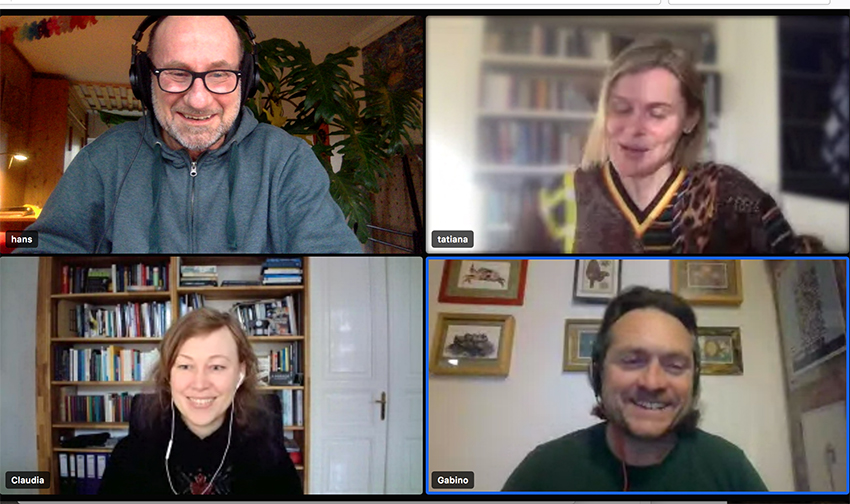
Because we are constantly looking all over Europe for forward-thinking people in the field of urban ecology, our paths happily crossed with Gabino’s. Shortly afterwards we received an invitation from Claudia Schnugg, an external partner of Quo Artis, a Barcelona-based foundation combining art and science. This invitation led to a Zoom meeting in which Gabino also took part.
He is an experienced landscape architect and project manager who is strongly committed to improving urban biodiversity through nature-based solutions. With more than 16 years of experience as an in-house adviser to Barcelona City Council, he has successfully implemented measures and techniques for the renaturation of the city’s public spaces. His expertise covers landscape architecture and landscape design for public, business and private projects, both nationally and worldwide.
He is a respected thought leader in his field, is regularly invited to speak at various forums and is the author of numerous publications, articles and essays. He is a member of the Board of the Spanish Association of Public Parks and Gardens, where he is responsible for communications and international relations. He is also a member of the Board of World Urban Parks.
Alongside his professional activities, he is known for his creative fusion of art, science, design and environment. Working with Quo Artis and the Epicuro Lab collective, he creates biodiversity-based artworks and interventions that address social and environmental issues.
Image: Screenshot of the Zoom meeting with Claudia Schnugg, Tatiana Kourochkina, Gabino Carballo and Hans Kalliwoda
European network
Researcher, municipality or grower?
We are building a European, interdisciplinary network around urban refuges for wild bees. Join us.