The project plays a vital role in disseminating crucial knowledge about biodiversity, the significance and variety of pollinators, the challenges within our food supply chain, insights into the intricate relationship between food and health, and the principles of circularity and sustainability. BeeTotems For RefuBees is inherently participatory; local residents collectively maintain their Totems. This joint effort involves tending to the plants and nurturing the tiger worms. In doing so, BeeTotems become a focal point for fostering social cohesion within the neighbourhood. Engaging the Younger Generation in Wild Bee Conservation
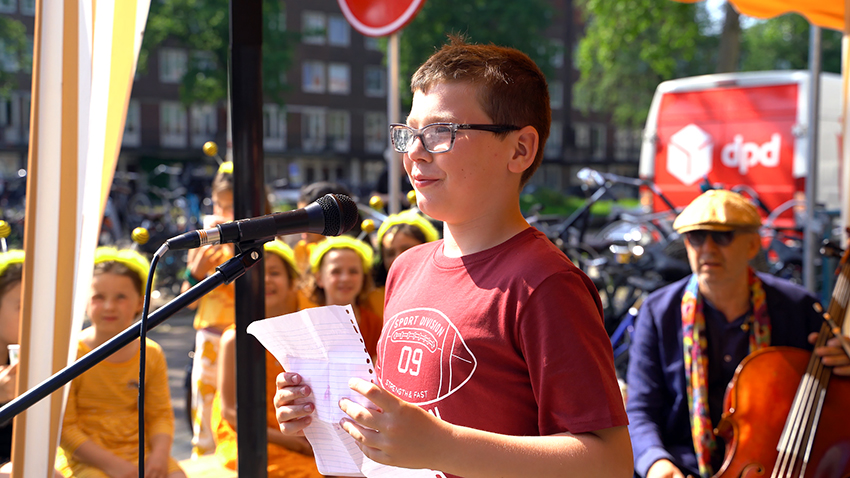
In the collaborative upkeep of these objects, local residents not only uphold their local environment's dignity but also symbolise solidarity with nature and the interconnectedness of the community. This shared responsibility for an object cultivates a sense of connection among them. The youngest members of the community are also actively engaged in BeeTotems for RefuBees. Through the associated educational program, primary school pupils gain comprehensive knowledge about wild bees and biodiversity. Additionally, they acquire the skills and tools to cultivate the plants and flowers found on the BeeTotem within their own family gardens or on their balconies. This educational outreach expands wild bee habitats and further involves local residents in BeeTotems for RefuBees. Formalizing Commitment and Empowering Community Hosts
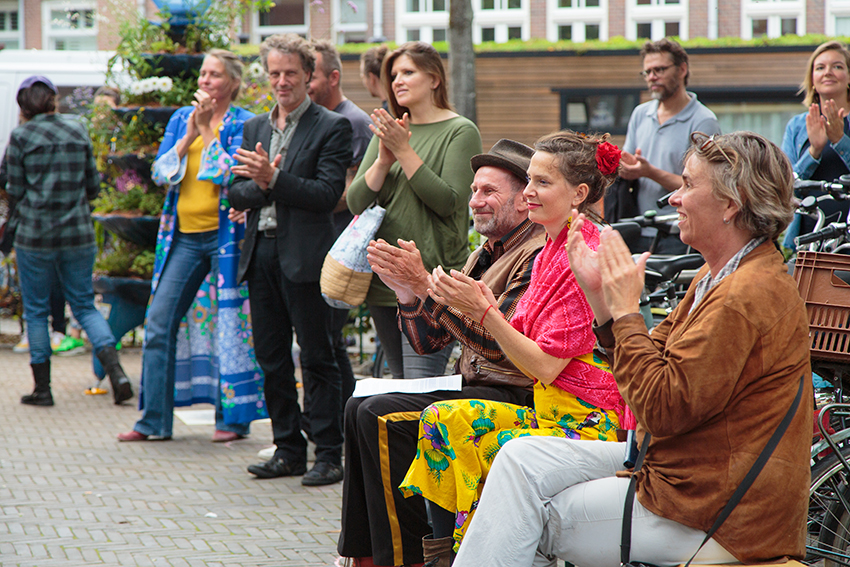
The local residents, referred to as 'hosts,' who take on the role of bee caretakers, formalise their commitment by signing a covenant. They receive preparatory training from the organisation behind BeeTotems For RefuBees, which then empowers them to inspire fellow community members. Consequently, this initiative evolves into a collective endeavour for the entire neighbourhood, serving as both a central meeting point and a catalyst for meaningful conversations. Images: Top Rodolfo Vejar / Side MacSiersImaging